
Engineering Expert

IN FABRICATION

Industry Standard

CHEMICALS

Trusted

ENERGY SOLUTIONS

The Industrial Shift Towards Solar Power: A Sustainable Energy Solution

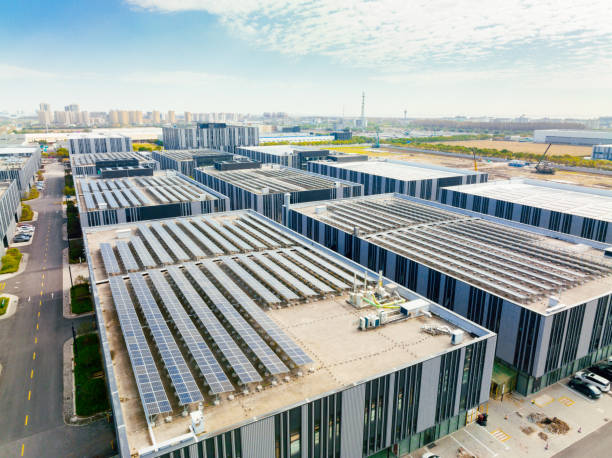
Solar power is more than a trend—it’s a revolutionary shift in how industries harness energy. With climate change and energy costs escalating, industries are moving away from fossil fuels toward solar power as a cleaner, cost-effective, and sustainable energy source.

This article explores how industries are integrating solar technology, the innovations driving this shift, and the challenges that remain.

Key Takeaways:

  • Solar power is reshaping industries by providing clean, renewable energy that aligns with global sustainability goals.
  • Technological advancements like bifacial solar panels and energy storage have made solar power more efficient and reliable.
  • Economic benefits include lower costs, long-term savings, and energy independence for industries.
  • Environmental impact is significantly reduced, as solar energy cuts greenhouse gas emissions and supports circular economy practices.
  • Challenges to adoption include upfront costs, grid infrastructure updates, and regulatory hurdles.

Introduction: The Rise of Solar Power in Industry

The transition to solar power is not just a trend but a fundamental shift in how industries approach energy consumption and sustainability. As the world faces escalating climate challenges and the need for cleaner energy sources, solar power has emerged as a leading solution. This transformation is characterized by technological advancements, economic viability, and a growing commitment to sustainability across various sectors.
Why Solar Power is Transforming Industries

Solar power is rapidly replacing traditional energy sources like coal and gas. Its adoption is driven by three factors:

  • Environmental urgency: Reducing CO₂ emissions is critical for combating climate change.
  • Economic pressure: Solar technology has become affordable, offering industries a way to cut costs.
  • Technological improvements: Innovations in storage and efficiency have enhanced reliability.

Technological Advancements in Solar Energy

Recent innovations in solar technology have significantly enhanced the efficiency and affordability of solar energy systems. Key developments include:

  • Increased Efficiency: Modern solar panels, particularly those utilizing advanced materials like perovskites, have achieved higher efficiency rates, allowing for greater energy output from smaller installations. Bifacial panels, which capture sunlight on both sides, are also contributing to improved performance.
  • Energy Storage Solutions: The integration of solar power with battery storage systems has addressed one of the critical limitations of solar energy—its intermittency. Businesses can now store excess energy generated during peak sunlight hours for use during non-peak times, ensuring a reliable power supply and reducing dependence on the grid
  • Smart Grid Integration: The development of smart grids allows for better management of energy distribution and consumption, facilitating the integration of renewable sources like solar into existing infrastructures. This enhances overall system resilience and efficiency

The Declining Costs of Solar Energy

Since 2010, the cost of solar photovoltaic systems has dropped by 82%, making it one of the most affordable energy sources. Mass production and technological advancements have driven these reductions.

  • Government incentives like tax credits further reduce upfront costs.
  • Industries save millions over time by reducing dependence on volatile fossil fuel prices

The economic landscape for solar energy has shifted dramatically over the past decade:

  • Declining Costs: The cost of solar photovoltaic (PV) systems has dropped by approximately 82% since 2010, making solar power increasingly accessible to businesses and consumers alike. This decline is attributed to advancements in manufacturing processes and increased competition in the market
     
  • Long-term Savings: Industries adopting solar energy can achieve significant savings on energy costs over time. By reducing reliance on fossil fuels and taking advantage of government incentives such as tax credits and subsidies, companies can improve their bottom line while contributing to environmental sustainability
     
  • Energy Independence: Solar power enables businesses to reduce their dependence on external energy sources. This independence not only mitigates risks associated with fluctuating fossil fuel prices but also enhances operational stability during grid outages

Solar Energy’s Role in Achieving Sustainability

The shift towards solar power aligns closely with global sustainability objectives:
  • Reduction in Carbon Footprint: Solar energy generation produces no greenhouse gas emissions during operation, making it a critical component in efforts to combat climate change. By transitioning to solar, industries can significantly lower their carbon footprints
     
  • Support for Circular Economy Practices: As industries adopt solar technology, they are also encouraged to consider sustainable practices throughout their operations. This includes responsible sourcing of materials for solar panels and developing recycling programs for end-of-life products
     
  • Consumer Demand for Sustainability: With increasing consumer awareness regarding environmental issues, businesses that invest in solar energy can enhance their brand image and attract eco-conscious customers. This shift not only benefits the planet but also drives competitive advantage in the marketplace

Challenges and Considerations

While the benefits of transitioning to solar power are substantial, there are challenges that industries must navigate:

  • Initial Investment Costs: Despite declining prices, the upfront costs associated with installing solar systems can still be a barrier for some businesses. However, financing options such as loans and leasing arrangements are becoming more prevalent, helping to alleviate this issue
     
  • Infrastructure Adaptation: Existing electrical grids may require upgrades to effectively integrate distributed renewable sources like solar. This necessitates careful planning and investment from both public and private sectors to ensure a seamless transition
     
  • Regulatory Frameworks: Supportive government policies are crucial for fostering an environment conducive to solar adoption. As seen in various markets, regulatory uncertainty can hinder investment in renewable technologies

Commitment to Quality and Service

In conclusion, the industrial shift towards solar power represents a pivotal moment in the quest for sustainable energy solutions. With ongoing technological advancements, decreasing costs, and a strong alignment with environmental goals, solar power stands out as a viable pathway for industries aiming to enhance their sustainability practices while achieving economic benefits. As this transition continues to unfold, it offers valuable lessons for other sectors looking to embrace renewable energy solutions effectively

In conclusion, We at D9th Enterprises provide industry-specific equipment solutions that are precise, durable, cost-effective, and tailored to meet unique operational demands. By leveraging advanced technologies and skilled craftsmanship, businesses can enhance their performance while maintaining flexibility to adapt to changing market conditions.

Contact Us Today

Are you ready to make the switch to solar energy? Embrace the future of sustainable energy and explore how solar power can transform your industry today.

Contact D9th Enterprise today. Our expert team is ready to help you craft durable, precise, and innovative solutions tailored to your needs.

Frequently Asked Questions

How much does solar energy reduce costs for industries?

Industries can save up to 70% on electricity bills with solar power over time, depending on installation size and local energy rates.


Yes! At D9th Enterprises we supply Solar Battery storage systems and smart grid technology that ensures consistent power supply for your needs.

Automotive, manufacturing, agriculture, and aerospace are leading sectors for solar adoption.

According to our Experience in the Solar Business, The primary challenges are high installation costs, regulatory uncertainties, and infrastructure adaptation.

D9th Enterprises Supplies Modern solar panels that  last around 25-30 years, with minimal maintenance required.

Leave a Reply

Your email address will not be published. Required fields are marked *

D9TH Enterprises
Request a Call Back

We are here to help you with any inquiries or projects.

HEAD OFFICE
LAGOS BRANCH OFFICE
Providing seamless service for all engineering industry

At D9TH Enterprises, we specialize in providing innovative and reliable services across a range of industries.