


Engineering Expert
IN FABRICATION

Industry Standard
CHEMICALS
Trusted
ENERGY SOLUTIONS
Ferroalloys are a class of materials combining iron with one or more elements such as manganese, silicon, or chromium. These alloys are essential in the steelmaking industry, where they improve the properties and performance of steel, making it suitable for diverse applications.
Ferroalloys are alloys primarily made of iron and other metals like manganese, chromium, or vanadium. They enhance the properties of steel, making it stronger, tougher, and more resistant to environmental and mechanical stresses.
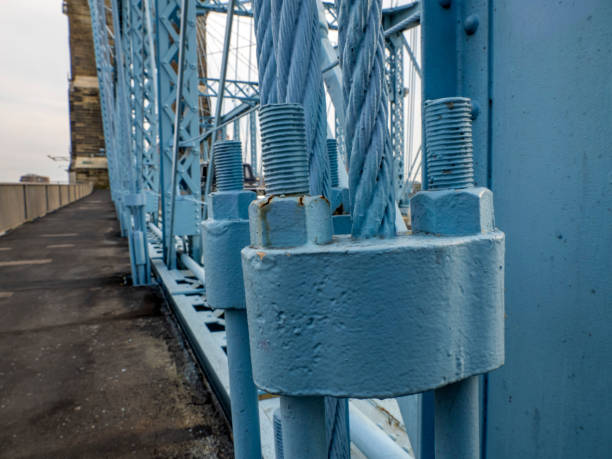
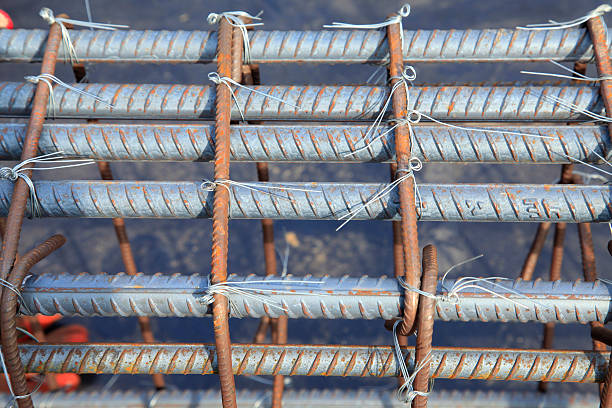
Ferroalloys like ferromanganese and ferrovanadium significantly increase tensile strength, allowing steel to handle higher loads without breaking. These properties are essential in:
Ferrochromium, an alloy of iron and chromium, is essential in producing stainless steel, which resists corrosion even in harsh environments. Corrosion-resistant steel is widely used in marine structures, chemical plants, and household items.
Use Case:
The Sydney Opera House roof, made of stainless steel, showcases the role of ferrochromium in creating durable, corrosion-resistant materials that endure salty sea air for decades.
Further reading: Stainless Steel Applications.
Ferroalloys improve steel’s heat resistance, allowing it to maintain structural integrity at elevated temperatures. Industries like aerospace and energy rely on heat-resistant steel for turbines, jet engines, and nuclear reactors.
Use Case:
Jet engine components use steel alloyed with ferroalloys to maintain strength and shape under intense heat, ensuring safety and efficiency during flight.
Further reading: Heat-Resistant Alloys in Aviation.
Ferroalloys like ferrosilicon improve ductility, allowing steel to bend without breaking. Toughness is particularly crucial in earthquake-resistant structures, where materials must absorb energy without cracking.
Use Case:
The Tokyo Skytree, Japan’s tallest structure, uses ferroalloy-enhanced steel to withstand seismic activity while remaining structurally sound.
Further reading: Earthquake Engineering in Skyscrapers.
Ferroalloys are essential for removing oxygen and sulfur impurities from molten steel during production. For example, ferrosilicon acts as a deoxidizing agent, while other ferroalloys eliminate sulfur, preventing brittleness.
Use Case:
In the manufacture of pipelines for the oil and gas industry, high-purity steel is vital to withstand pressure and corrosive materials. Ferroalloys ensure these pipelines are reliable and durable.
Further reading: Steel Manufacturing Processes.
Ferroalloys allow manufacturers to use lower-grade ores without compromising steel quality, making production more cost-efficient. This is crucial in competitive markets where cost reduction is key.
Use Case:
In India, ferroalloys are used in producing cost-efficient steel for railway infrastructure, where affordability and durability are equally important.
Further reading: India’s Ferroalloy Market Report.
Ferroalloys enable steel to meet diverse industry needs:
Use Case:
The Golden Gate Bridge uses ferroalloy-enhanced steel for its iconic structure, offering strength and durability against constant traffic and coastal weather.
Further reading: Steel Applications in Construction.
Modern ferroalloy processes focus on reducing environmental impact by minimizing waste and using energy-efficient production methods. Sustainable steel is critical in reducing CO2 emissions.
Use Case:
Companies like ArcelorMittal are leading the way in producing “green steel” by incorporating advanced ferroalloy techniques in manufacturing.
Further reading: Sustainable Steel Production.
As urbanization and industrialization grow, the demand for high-performance steel rises. Ferroalloys are critical for producing the advanced steel grades needed for infrastructure, energy, and manufacturing.
Recent innovations include AI-powered alloy composition optimization and advanced recycling technologies that reduce waste in steelmaking.
Use Case:
AI systems in plants like those operated by Tata Steel have enabled smarter alloying processes, resulting in higher efficiency and lower production costs.
Further reading: AI in Steelmaking.
The evolving demands for lightweight, high-strength, and environmentally friendly steel will drive further innovation in ferroalloy applications, solidifying their place in modern manufacturing.
Ferroalloys are iron-based alloys combined with elements like manganese or chromium to enhance steel properties.
They improve strength, corrosion resistance, ductility, and heat resistance, making steel suitable for various applications.
Industries like aerospace, automotive, and construction benefit due to their demand for precise, durable, and customized components.
Construction, automotive, aerospace, energy, and electrical manufacturing
Yes, recent innovations have improved energy efficiency and waste reduction in their production.

Chat us on WhatsApp

We are here to help you with any inquiries or projects.


