
Engineering Expert
IN FABRICATION

Industry Standard
CHEMICALS
Trusted
ENERGY SOLUTIONS
The industrial casting sector is undergoing a significant transformation fueled by technological advancements and innovative processes. This evolution is reshaping manufacturing strategies, making tailored solutions the cornerstone of the industry’s future.
Industrial casting is the process of creating metal components by pouring molten material into molds. It is a vital technique used across industries like construction, automotive, and aerospace for producing high-precision, durable parts.
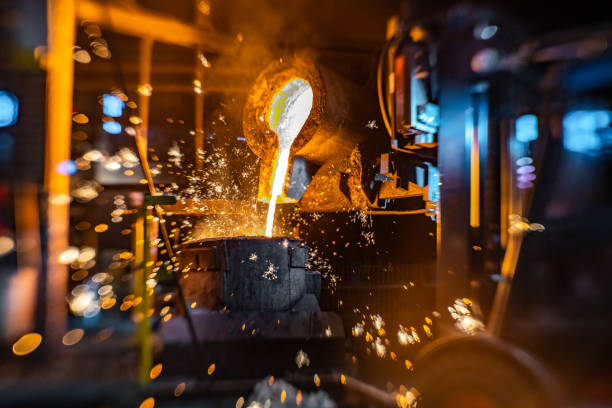

Modern foundries use predictive tools to simulate mold filling, solidification, and cooling processes. These simulations reduce defects like shrinkage and porosity, ensuring product integrity.
AI optimizes simulation processes by learning from historical data, improving casting accuracy while reducing material waste.
3D printing allows for creating intricate designs tailored to client-specific needs, particularly in industries demanding lightweight and complex components.
By eliminating the need for traditional mold creation, 3D printing significantly accelerates production timelines.
IoT sensors collect data at every production stage, allowing manufacturers to detect inefficiencies early and improve product quality.
Digital records of the manufacturing process ensure compliance with industry standards and provide an audit trail for quality assurance.
Tailored solutions enhance customer satisfaction and foster innovation. For instance, automotive clients might demand lightweight components, while construction may prioritize strength.
The adoption of advanced alloys or composites allows for customized performance properties, such as increased durability or reduced weight.
Technologies like 3D printing minimize material waste and promote recycling, supporting sustainability goals.
Innovative casting methods reduce energy consumption, appealing to environmentally conscious industries and consumers.
Tailored solutions ensure that components meet specific operational needs, improving efficiency and reliability. Industries like aerospace and mining heavily rely on this customization for superior performance.
To leverage tailored solutions, manufacturers should:
Tailored solutions ensure that components meet specific client needs, improving functionality and reducing costs.
3D printing offers design flexibility, faster production, and reduced waste compared to traditional methods.
Industries like aerospace, automotive, and construction benefit due to their demand for precise, durable, and customized components.
IoT and data analytics enable real-time monitoring, reducing defects and enhancing product quality.
Sustainable practices reduce waste, lower energy consumption, and comply with environmental regulations, appealing to eco-conscious clients.

Chat us on WhatsApp

We are here to help you with any inquiries or projects.


