

Engineering Expert
IN FABRICATION

Industry Standard
CHEMICALS
Trusted
ENERGY SOLUTIONS
Custom fabrication significantly enhances the longevity of industrial equipment through several key factors, including precision engineering, material selection, design optimization, and tailored manufacturing processes. Here’s an in-depth look at how these elements contribute to increased durability and performance.
Custom fabrication allows for precise engineering of components that fit perfectly within the overall system. This precision reduces the likelihood of misalignments and operational issues that can lead to premature wear and tear. By utilizing advanced technologies such as laser cutting and CNC machining, fabricators can create parts that meet exact specifications, ensuring they function optimally under various operational conditions
The importance of precision is particularly evident in high-stress environments where even minor discrepancies can lead to significant failures. Custom-fabricated components are designed to minimize errors, thereby enhancing the reliability and lifespan of the equipment.
Precision reduces wear and tear by ensuring parts fit seamlessly within systems. Misalignments and operational issues are minimized.
Use Case Example:
Mining equipment benefits from precisely engineered components, reducing breakdowns in harsh, abrasive conditions. Find more about precision engineering in mining
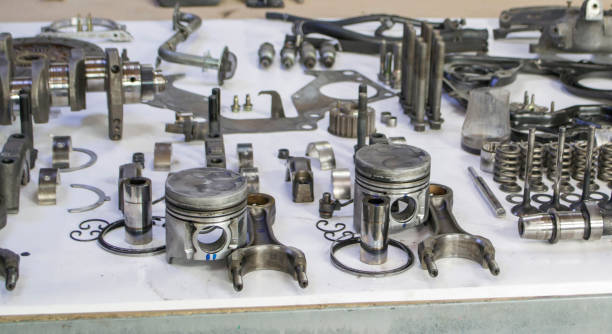
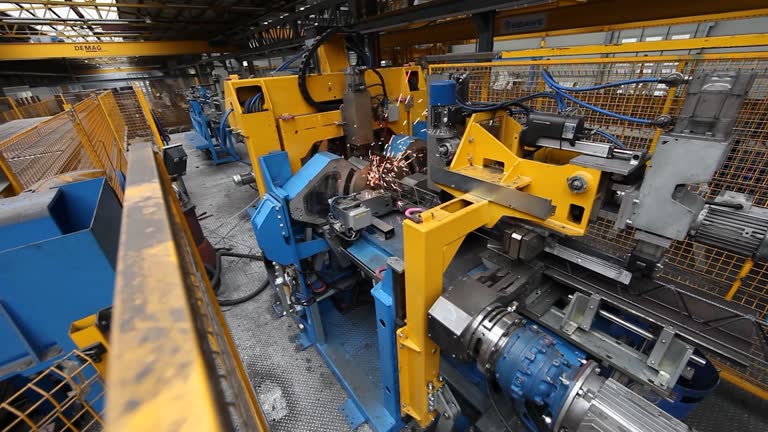
The choice of materials in custom fabrication is crucial for durability. Fabricators can select high-grade materials that are specifically suited for the intended application, such as corrosion-resistant alloys or high-strength steels. This tailored approach ensures that the components can withstand harsh conditions—such as extreme temperatures, heavy loads, and exposure to corrosive substances—without degrading quickly
For instance, custom steel fabrication not only utilizes strong materials but also incorporates specialized treatments and finishes (like powder coating or galvanizing) that enhance resistance to wear and environmental damage. This results in components that last longer and require less frequent replacement.
High-grade materials like corrosion-resistant alloys are chosen for demanding environments, ensuring long-term performance.
Use Case Example:
Offshore platforms in the oil & gas sector require materials resistant to saltwater corrosion.
Custom fabrication enables the creation of optimized designs tailored to specific operational needs. Unlike off-the-shelf solutions, which may not address unique challenges, custom designs can incorporate features that enhance strength and reduce stress concentrations. This optimization is essential in industries like aerospace or heavy machinery, where equipment faces substantial operational demands.
By focusing on design aspects such as load distribution and stress management, custom fabricators can produce components that are not only functional but also robust enough to endure prolonged use without failure
Tailored designs reduce stress points, enhancing the structural integrity of components. Customization allows features to match operational needs precisely.
Use Case Example:
In agriculture, optimized designs for tractor attachments improve durability and efficiency.
The manufacturing processes employed in custom fabrication are often more efficient and suited to the specific requirements of the project. By selecting the most appropriate fabrication methods—whether it be welding, machining, or forming—fabricators can streamline production while maintaining high quality
This tailored approach minimizes waste and reduces the chances of defects during production. Additionally, efficient processes lead to quicker turnaround times without compromising on quality, which is vital for maintaining operational uptime in industrial settings
By enhancing durability through precision engineering, optimal material selection, and tailored designs, custom fabrication significantly reduces maintenance needs over time. Equipment built with custom-fabricated parts tends to experience fewer breakdowns and malfunctions, translating into lower maintenance costs and less downtime for repairs
In summary, custom fabrication improves the longevity of industrial equipment by ensuring precise fitment, utilizing high-quality materials, optimizing designs for specific applications, and employing efficient manufacturing processes. These factors collectively contribute to more durable equipment that performs reliably over extended periods, ultimately benefiting businesses through reduced operational costs and enhanced productivity.
Choosing a reputable custom fabrication partner ensures a commitment to quality throughout the process. At D9th Enterprises, our fabrication process adhere to strict quality management systems (like ISO 9001), ensuring that every component meets high standards before delivery. This dedication to quality not only enhances product reliability but also fosters strong partnerships between us and our clients.
In conclusion, We at D9th Enterprises provide industry-specific equipment solutions that are precise, durable, cost-effective, and tailored to meet unique operational demands. By leveraging advanced technologies and skilled craftsmanship, businesses can enhance their performance while maintaining flexibility to adapt to changing market conditions.
For industry-leading custom metal fabrication services, contact D9th Enterprise today. Our expert team is ready to help you craft durable, precise, and innovative solutions tailored to your needs.
Custom fabrication ensures components are tailored to specific needs, providing better fit, durability, and efficiency.
Industries like aerospace, automotive, healthcare, construction, and oil & gas rely heavily on custom solutions.
Using high-grade materials like corrosion-resistant alloys ensures components last longer in demanding conditions.
Yes, it reduces waste, lowers maintenance costs, and optimizes resource use for long-term savings.

Chat us on WhatsApp

We are here to help you with any inquiries or projects.


