

Engineering Expert
IN FABRICATION

Industry Standard
CHEMICALS
Trusted
ENERGY SOLUTIONS
As industries strive for efficiency and sustainability, the debate between diesel generators and solar power has become more significant. Both energy sources offer unique advantages and drawbacks, and the choice depends on balancing operational requirements, costs, and environmental impact. This article, prepared by D9th Enterprises, explores the intricacies of both options to guide industrial operations toward smarter energy solutions.
Diesel generators are typically cheaper to purchase and install initially. This makes them appealing for industries needing immediate power solutions with low upfront expenses. However, the costs don’t stop there. Regular fuel purchases and frequent maintenance quickly add up, turning this cost advantage into a long-term burden.
Solar installations, on the other hand, demand higher initial investment costs. On average, installation costs for industrial solar systems range between $3.76 and $4 per kWh. Despite the upfront expense, the lack of fuel dependency and minimal maintenance requirements result in substantial savings over the system’s 25–30 year lifespan.
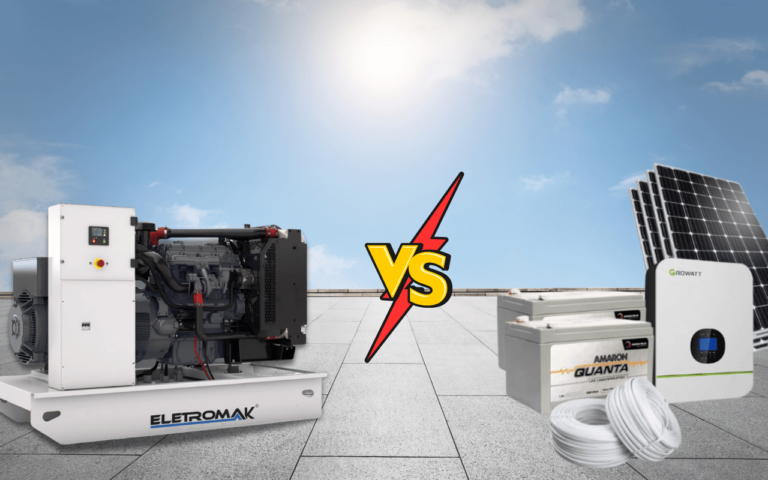
Diesel generators come with ongoing operational costs, including fluctuating fuel prices, routine maintenance, and occasional repairs. On average, diesel-generated electricity costs between $3.76 and $4 per kWh—considerably higher than solar’s levelized cost of energy (LCOE).
Solar energy incurs almost no operational expenses. Maintenance requirements are minimal, and there are no fuel costs. The LCOE of solar ranges from $0.66 to $2.84 per kWh, making it far more economical in the long run. In regions with volatile diesel prices, solar can reduce energy expenses by up to 75%.
Diesel generators contribute significantly to environmental pollution. They emit harmful substances like CO2, nitrogen oxides, and particulate matter, which exacerbate climate change and pose risks to public health.
Solar energy is a clean, renewable resource. It generates zero emissions during operation, making it a vital tool for industries aiming to meet sustainability goals and comply with environmental regulations.
Diesel generators excel at providing immediate power in remote or off-grid locations. Their ability to adapt to varying energy demands makes them highly flexible. However, scaling diesel systems for larger operations can become costly and inefficient.
Solar systems offer excellent scalability, allowing industries to expand their energy capabilities as needed. Paired with battery storage, solar systems can provide reliable energy even during periods of low sunlight.
Diesel generators require frequent maintenance, including oil changes, filter replacements, and engine tune-ups. Neglecting maintenance can lead to costly breakdowns and operational downtime.
Solar systems are low-maintenance, requiring periodic cleaning of panels and occasional inspections. Once installed, they operate autonomously for decades with minimal intervention.
Over a 20–30 year period, solar power is often 50–75% cheaper than diesel generators due to its lack of fuel costs and minimal maintenance. Additionally, government incentives, such as tax credits and rebates, further enhance the financial appeal of solar energy.
Industries worldwide are under pressure to adopt sustainable practices. Solar power supports these efforts by reducing carbon footprints and aligning with global environmental standards. Diesel generators, in contrast, face increasing scrutiny for their negative environmental impact.
Generators offer reliable power regardless of weather conditions. However, reliance on diesel fuel exposes industries to price volatility and supply chain disruptions.
Solar energy enables industries to achieve greater energy independence by reducing reliance on external suppliers. Battery storage solutions further enhance reliability, ensuring continuous power supply even during cloudy days.
Combining diesel generators with solar power creates a hybrid energy system that leverages the strengths of both technologies. Diesel generators provide immediate backup power, while solar energy reduces fuel consumption and emissions. This approach ensures cost efficiency and sustainability.
Diesel generators remain a staple for construction sites due to their portability and reliability. However, incorporating solar-powered systems can reduce fuel consumption and environmental impact.
Remote mining operations benefit significantly from hybrid systems. Solar panels provide consistent energy during the day, while diesel generators act as a backup during peak demands.
Manufacturers with high energy demands can drastically lower costs by installing large-scale solar systems. Battery storage ensures uninterrupted power for machinery.
As technology advances, solar panels are becoming more efficient and affordable. Innovations in energy storage are bridging the gap between solar’s intermittent nature and industries’ continuous energy needs. Diesel generators, while still relevant, are increasingly being phased out in favor of cleaner, more sustainable solutions.
Choosing between diesel generators and solar power depends on your industry’s energy requirements, financial constraints, and sustainability goals. While diesel generators offer immediate solutions, the long-term cost savings and environmental benefits of solar power make it a compelling choice.
For industries seeking a balanced approach, hybrid systems offer a reliable and efficient energy solution. At D9th Enterprises, we specialize in helping industries navigate these energy choices to achieve maximum efficiency and sustainability.
Contact us today for a personalized consultation and discover how we can transform your energy infrastructure.
Yes, with battery storage, solar systems can provide reliable power even during cloudy days or at night.
While generators have lower upfront costs, solar is far more economical over the long term due to minimal maintenance and zero fuel expenses.
Yes, hybrid systems combine the reliability of diesel generators with the cost efficiency and sustainability of solar power.
Solar panels typically last 25–30 years with minimal maintenance.
Diesel generators have limited environmental benefits and are primarily used for their flexibility and immediate power capabilities.

Chat us on WhatsApp

We are here to help you with any inquiries or projects.


